October 13, 2026
Gutters play a crucial role in protecting your home from severe water damage, soil erosion, and structural compromise. Over time, however, even the most durable systems require a complete overhaul due to constant weather exposure, natural wear, and technological inadequacy. Recognizing when your rainwater management system is failing allows you to make timely decisions that protect your financial investment. Many homeowners overlook subtle warnings until costly damage impacts their foundation, siding, or interior living space. By proactively assessing your exterior drainage, you ensure your property remains fully safeguarded against heavy downpours and seasonal storms. Upgrading your home's infrastructure before an emergency occurs provides peace of mind while enhancing overall curb appeal. Understanding the key indicators of system failure empowers you to choose modern solutions that offer reliable performance for decades.
Identifying Exterior Damage and Structural Wear
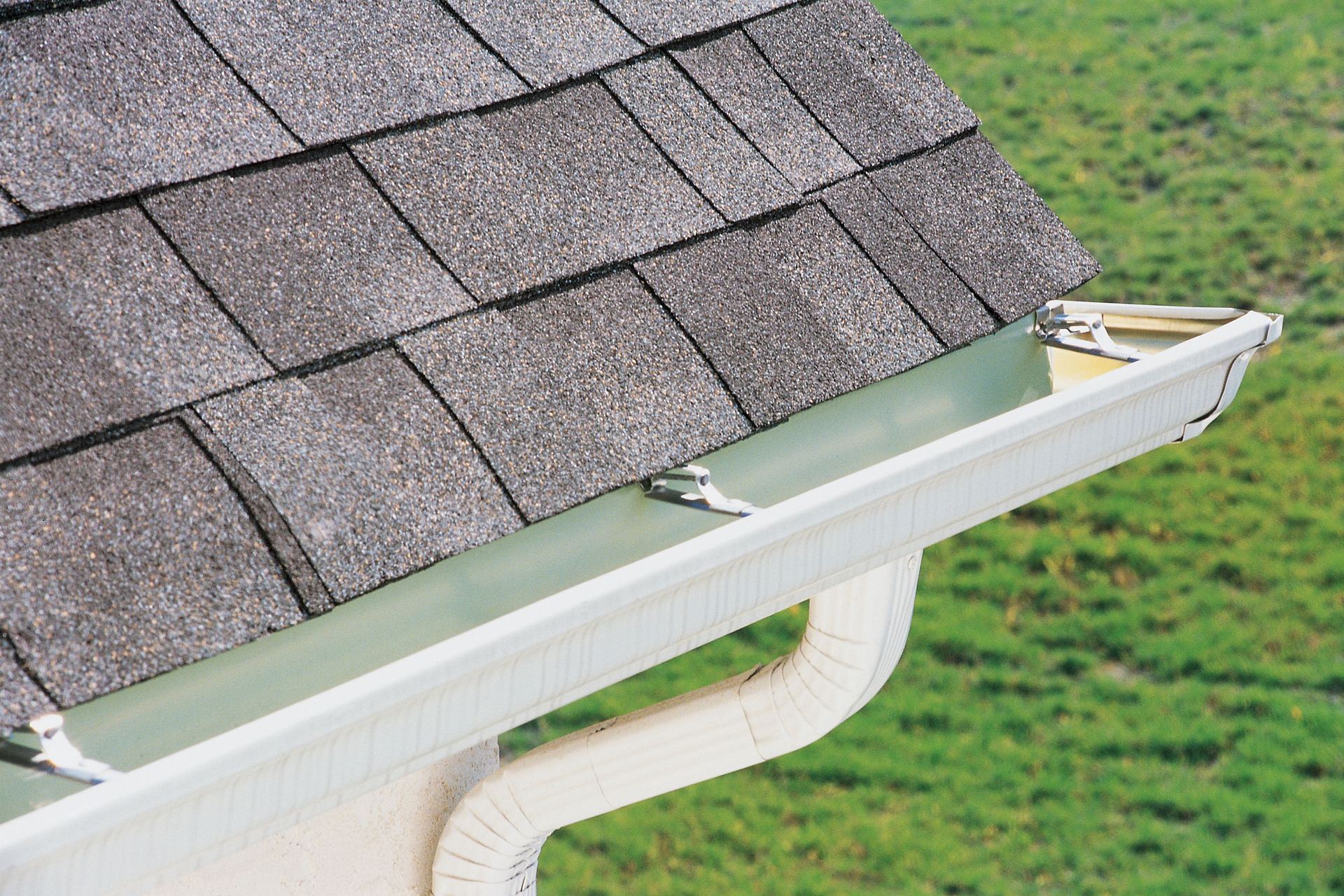
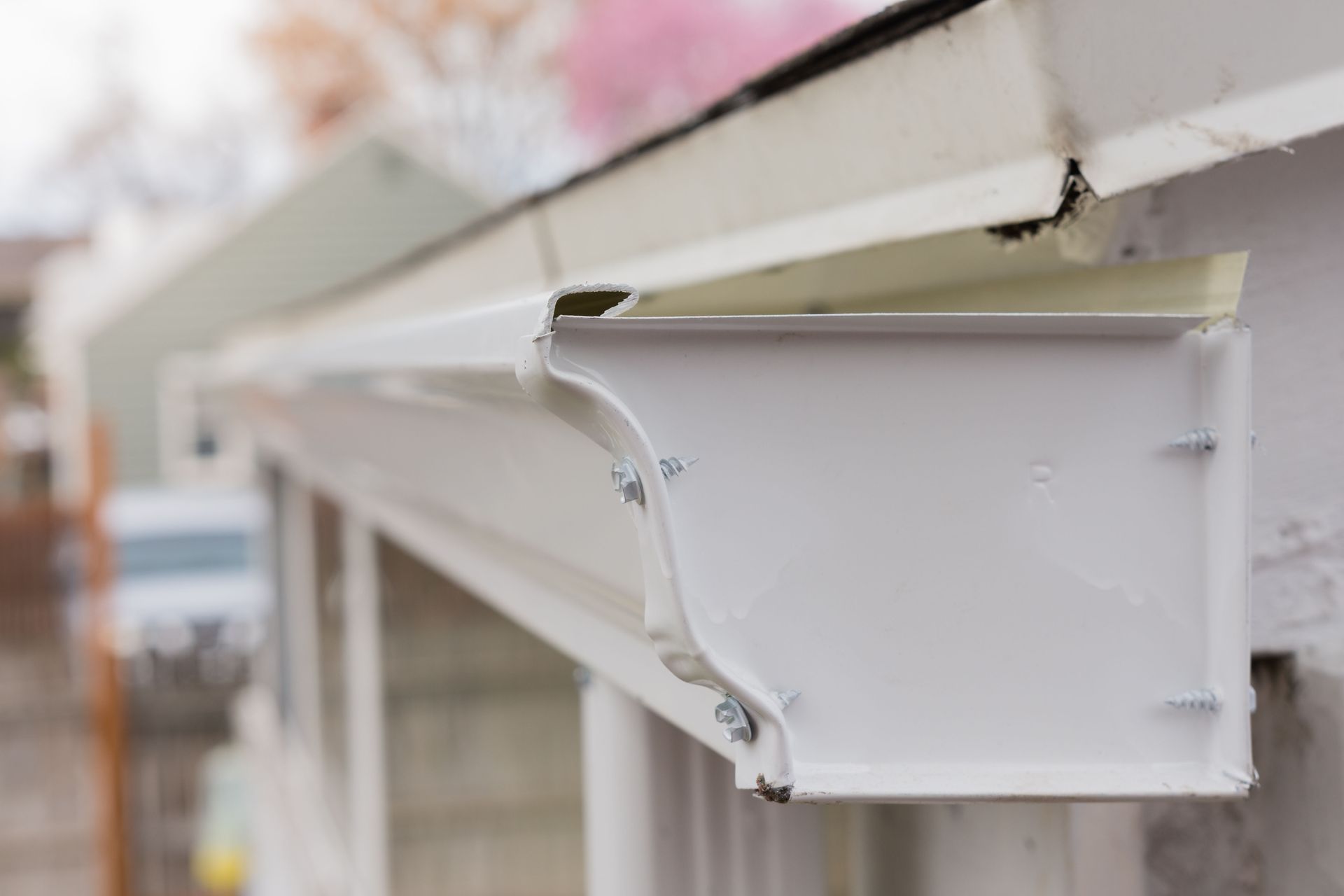
Visible physical deterioration is often the first signal that your exterior drainage system needs immediate attention. Over time, constant exposure to thermal expansion and contracting temperatures causes cracks and splits across metal and plastic channels. These small fractures allow water to seep through, causing localized rot along your fascia boards and eroding pathways below. When you notice visible splits, it indicates that the system can no longer channel heavy rainfall safely away from your home. Partnering with a reliable installer for local gutters ensures that replacement materials are specifically rated for your region's climate challenges. Addressing surface damage early prevents structural degradation, avoiding extensive home repairs later.
Corrosion and rust are clear indicators that metal drainage components have reached the end of their functional lifespan. Persistent moisture exposure strips away protective coatings, weakening structural integrity and creating small pinholes that turn into major leaks. While modern aluminum and vinyl options resist rust naturally, older galvanized steel setups frequently succumb to oxidation over time. Furthermore, peeling paint on or near your fascia and soffits points toward continuous water overflow. When water constantly splashes over the edges, it breaks down painted exterior surfaces and exposes underlying wood to rot. Investing in high-quality local gutters protects your exterior trim, maintaining both home value and structural resilience.
Physical misalignment, such as sagging or pulling away from the roofline, demonstrates that your support hardware is failing. Sagging occurs when weight from trapped water and heavy debris bends fasteners out of position, ruining the slope needed for proper gravity drainage. This misalignment allows standing water to pool in low sections, accelerating material degradation. Along with sagging, water stains streaking down your exterior siding confirm that water is escaping the channel. These stains signal that your system is actively failing during heavy rain events. Upgrading to sturdy, modern local gutters restores proper alignment, ensuring efficient water flow during intense storms.
Managing Frequent Clogs and Persistent Water Overflow
Repeated blockages indicate that your current setup is poorly sized or structurally ill-equipped to process local foliage and rainfall. When leaves, twigs, and organic matter settle in narrow channels, water backed up behind the obstruction spills directly over the sides. Upgrading to wider profiles or integrating advanced leaf protection keeps channels clear and reduces maintenance demands. Installing high-capacity local gutters prevents heavy debris from creating weight stress that pulls hardware out of fascia boards. An upgraded system channels heavy water volumes smoothly, eliminating the need for constant, risky ladder climbing to clear blockages manually.
Water cascading over gutter edges during ordinary rainstorms indicates a major mismatch between rainfall volume and system capacity. If your current setup cannot keep pace with typical storms, overflow will saturate the ground surrounding your foundation. In regions that experience heavy downpours, undersized channels inevitably fail to protect lower building components. Modern installations utilize wider channels and larger outlets to process severe rain effortlessly. Upgrading your home to seamless local gutters ensures your system handles peak weather conditions without spilling onto walkways, flower beds, or entryways, effectively mitigating interior leaks and exterior erosion risks.
Inadequate downspout length and poor placement frequently cause dangerous water pooling near foundation walls. Downspouts must extend several feet away from the structure to discharge water into safe drainage zones. Short or damaged extensions allow water to sink directly into the soil alongside basement walls, creating hydrostatic pressure. According to Home Advisor, gutters may need replaced every 20 years to maintain proper drainage and prevent water damage. Transitioning to professionally designed local gutters with customized downspout extensions ensures water is deposited far from foundation zones, protecting structural footings from ongoing moisture stress.
In addition to capacity issues, improper pitch prevents water from reaching downspouts effectively. A system with an incorrect pitch leaves standing water trapped in mid-sections, creating ideal conditions for mosquitoes, algae, and metal breakdown. Standing water adds continuous weight, further straining mounting brackets and exacerbating structural sags. Correcting pitch issues requires precise recalibration and strong support hardware. Replacing an improperly sloped setup with engineered local gutters guarantees that gravity works in your favor, moving every drop of rainwater smoothly toward ground outlets without pooling or stagnating.
Preventing Basement Flooding and Foundation Settlement
Persistent moisture in your basement or crawl space often stems directly from failing roof drainage systems. When rainwater spills over clogged or misaligned channels, it accumulates at the base of your home, seeping through foundation porous concrete. This unwanted intrusion damages finished interiors, destroys stored belongings, and creates electrical hazards. Preventing basement flooding requires channeling rainwater far beyond the perimeter of your home. Upgrading your roof drainage infrastructure ensures water is routed away effectively, keeping lower living levels dry and protecting your property from subterranean water pressure.
Foundation cracks are severe structural warnings that frequently trace back to poor rainwater control. When excessive water pools near basement footings, the surrounding soil becomes oversaturated, leading to soil expansion and uneven settling. Over time, this pressure forms visible cracks in concrete walls and slabs, compromising the structural stability of the entire house. Repairing damaged foundations is an expensive and invasive process that can be avoided with proper surface drainage. Installing an upgraded water management system protects the soil structure around your footings, keeping your home stable, level, and safe from moisture-induced shifts.
Erosion around your home's perimeter indicates that roof runoff is striking the ground with unchecked force. Uncontrolled water washes away topsoil, exposes delicate plant roots, and carves unsightly trenches into your landscaping. Over time, severe erosion can alter ground grading, sloping soil back toward your home and worsening foundation exposure. Upgrading to a modern drainage solution ensures water is directed through dedicated downspouts into designated discharge areas or rain gardens. Controlled discharge preserves carefully planned landscaping, protects ground grading, and prevents soil washout around your home's perimeter.
Excessive moisture caused by failing drainage systems creates prime conditions for toxic mold and mildew growth. Spores thrive on damp wood, insulation, and drywall, posing health risks to residents and destroying building materials. Seamless gutter designs reduce leaks significantly, controlling moisture levels around rooflines, attics, and exterior walls. Preventing dampness through efficient drainage protects indoor air quality and safeguards family health. Furthermore, protecting exterior siding from constant water exposure prevents rot, warping, and discoloration, ensuring your home's protective envelope remains attractive, durable, and weather-resistant over many years.
Replacing an aging, failing drainage system is an essential investment in your home's longevity, safety, and overall value. Recognizing signs of damage early allows you to address drainage issues before they lead to foundation failure, basement flooding, or exterior rot. Upgrading to high-capacity, seamless solutions ensures your home handles heavy storms effortlessly for decades to come. When you are ready to enhance your property's exterior protection and curb appeal, trust the experienced professionals at Randall Roofing to deliver superior craftsmanship, premium materials, and custom-tailored gutter installation services.